Column · @propertysafety777
Remediation Company Lake County: Key Questions to Ask Before You Hire
When a house smells musty after weeks of rain, when a kitchen leak has crept into cabinets and flooring, or when a storm leaves standing water where it should never be, most people are not shopping for a contractor from a calm, organized place. They are tired, worried about cost, worried about health, and often racing the clock. In Lake County, that pressure gets amplified by humidity, heavy summer rain, and the reality of hurricane season. Moisture problems here do not wait patiently for a convenient appointment.
That is why choosing the right remediation company Lake County homeowners can trust is less about slick marketing and more about asking the right questions before work begins. A good company should help you understand what happened, what needs to be removed, what can be saved, and what absolutely must be fixed so the problem does not come back. A poor one may clean the visible mess while leaving the cause untouched.
I have seen the difference. A bathroom ceiling stain turns out to be an active roof leak, not “just mildew.” A repeatedly cleaned air vent keeps spotting over because the system has a moisture issue. A post-storm cleanup job looks finished until the smell says otherwise. The companies that solve these problems well usually have one thing in common: they are comfortable with hard questions.
Start with the most important one: what exactly are you remediating?
That question sounds basic, but it sorts out serious professionals from vague sales talk very quickly. “Remediation” can mean several very different jobs. It may involve mold removal Groveland homeowners need after leaks or flooding. It may involve water damage cleanup Central Florida property owners face after plumbing failures or storm intrusion. It may involve sewage cleanup after a backup, or fire and smoke damage cleanup after a kitchen fire or electrical event. In older properties, it may also involve hazardous material concerns during renovation, including asbestos and lead-related precautions.
The point is simple: the right company for one type of loss is not automatically the right company for another. A crew that does a competent dry-out after clean water damage is not necessarily the team you want making decisions around suspected asbestos-containing materials in an older home. Likewise, someone offering odor removal may be addressing a symptom rather than the source.
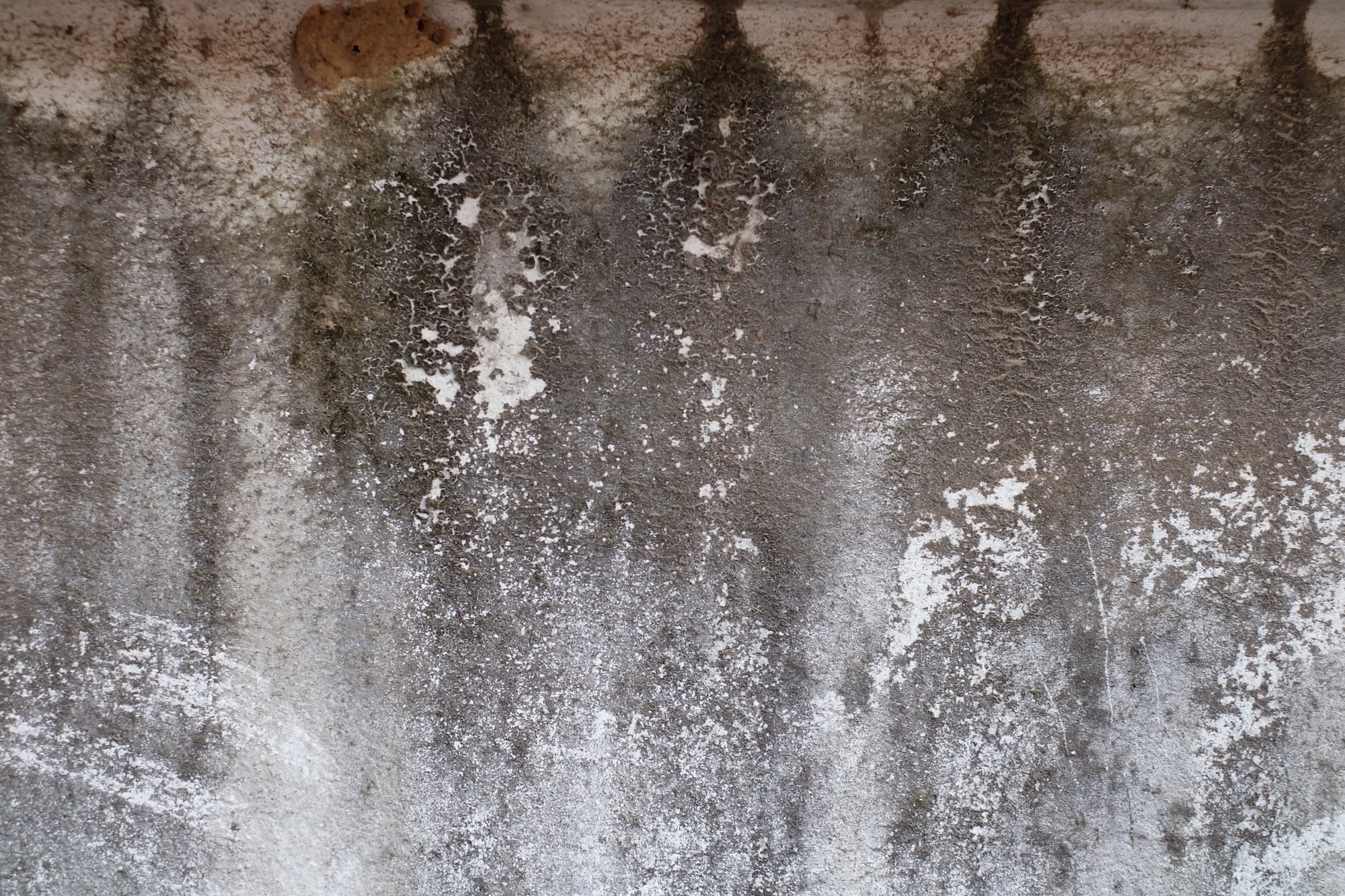
Ask them to describe, in plain language, what they believe is happening in your home. If mold is visible, ask what moisture source is feeding it. Florida health guidance is clear on this point: mold grows when moisture is present, and recurring mold usually means the underlying moisture problem has not been fixed. If a company cannot explain the water source, the humidity issue, the leak path, or the HVAC concern driving the growth, you are not hearing a complete diagnosis.
Ask how they identify the moisture source
In Central Florida, moisture is rarely mysterious, but it is often misread. A homeowner notices black spotting around an air register and assumes the problem is dirt or a one-time condensation event. In reality, the issue may involve elevated indoor humidity, an AC problem, or moisture around components of the system. Florida guidance notes that if a central AC system is being used to lower humidity below 60 percent, the system should be examined for problems. That matters because HVAC mold remediation is not just about wiping vents or fogging ducts. If the system is contributing to the moisture load, the work needs to address that.
The same pattern shows up elsewhere in the house. Mold around a window may suggest failed sealing, but it can also reflect indoor humidity and poor ventilation. Growth around a shower ceiling often points to inadequate bathroom exhaust, though roof leaks can mimic the same symptom. A stain below a second-floor bathroom might come from plumbing, but I have also seen water travel farther than expected before it shows itself.
This is where a company’s judgment matters. You want to hear a practical explanation grounded in building conditions, not dramatic language. A reliable contractor should be able to discuss common moisture sources such as roof leaks, plumbing leaks, condensation, flooding, poor bathroom or kitchen ventilation, and HVAC or drain-pan problems, because those are all recognized drivers of mold in Florida homes.
Licensing and credentials matter, especially with mold
Homeowners often assume every remediation company handles mold under the same rules. That is not a safe assumption. In Florida, mold assessor and mold remediator licensure is handled by the Florida Department of Business and Professional Regulation. You do not need a lecture from a contractor on legal fine print, but you do need clear answers about who is licensed for what role.
That conversation can feel awkward, especially if you are in a hurry. Ask anyway. A professional company should not bristle when you ask who will perform or oversee the work, what licenses apply, and whether the scope includes only drying and demolition or also mold-specific remediation. If they become evasive, that tells you something.
The same caution applies to older homes and major renovation projects. If work could disturb older materials, ask how they more information evaluate the possibility of regulated hazards. EPA guidance makes an important distinction here. Homes built before 1978 may contain lead-based paint, and renovation or repair can disturb it. Separate from that, asbestos rules apply when demolition or renovation work affects asbestos-containing materials. In practical terms, if walls, ceilings, flooring, insulation, or other building materials in an older property are being cut, removed, or heavily disturbed, you should ask whether additional testing is appropriate before demolition proceeds.
That is where phrases like Groveland FL asbestos testing or asbestos abatement Lake County come into the conversation. They should not be used as scare tactics. They should come up only when the age of the property, the materials involved, or the scope of demolition makes the question relevant.
The best companies are specific about containment and safety
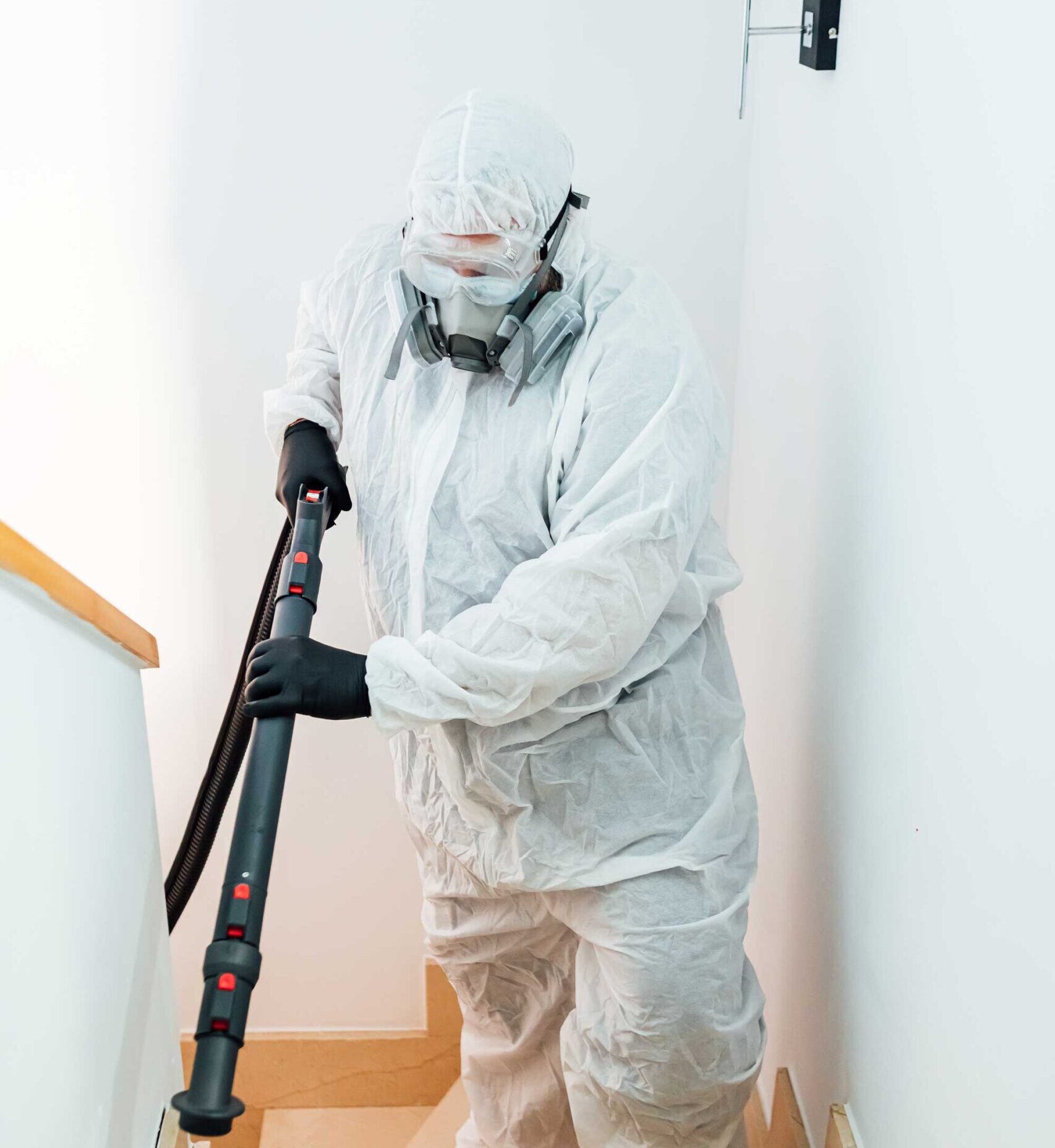
Any remediation job worth doing creates a boundary between the affected area and the rest of the home. What that looks like depends on the loss. Mold, flood residue, smoke contamination, and sewage all create different cleanup conditions. But in every case, you want to know how they will protect unaffected areas, how they will handle debris, and whether occupants need to stay out of certain spaces during the work.
This becomes especially important after flooding or storm damage. Federal guidance for flood recovery emphasizes safety first, including reentry concerns, utilities, and contamination risks. Flooded homes can contain both mold and sewage. That means the initial conversation with a restoration company should not jump straight to cosmetic repairs. It should start with whether the property is safe to enter, whether electrical or fuel-related concerns have been addressed, and what materials may have been contaminated.
A serious sewage cleanup, for example, is not just a wet carpet problem. CDC guidance treats sewage backups as health hazards, and cleanup should use protective precautions while affected areas are isolated during the process. If a company describes sewage loss in casual terms, as though it were interchangeable with clean water extraction, keep looking.
The same goes for fire losses. Fire and smoke damage cleanup is not simply “airing the place out.” The first 24 hours after a home fire matter for safety checks, salvaging what is safe, and beginning insurance and recovery steps. If the company you call after a fire cannot speak clearly about those early priorities, they may not be equipped for the job you actually have.
Ask what they want you to do before work starts
A good answer here tells you a lot about the company’s process. After a flood, storm, fire, or major leak, you may need to document damage for your insurer before significant cleanup begins. FEMA recovery guidance stresses documenting damage and coordinating with your insurer during cleanup and repairs. That does not mean the house should sit wet while paperwork drags on, but it does mean the contractor should be able to explain how emergency mitigation and insurance documentation typically fit together.
They should also mention practical household safety. If flood or storm water entered the home, food exposed to that water should be discarded. If temporary power is needed, generator safety matters because of fire and carbon-monoxide risks. Those details may sound unrelated to hiring a remediation company, but firms that do this work every day tend to think beyond the immediate tear-out. They understand the lived reality of what homeowners are dealing with.
One of the easiest ways to gauge professionalism is to ask, “What should I photograph, save, or avoid touching right now?” You are not testing them on memorized rules. You are listening for whether they think methodically.
Five questions that reveal a lot, fast
Use these when you are comparing estimates or talking to a company for the first time:
- What do you believe caused the damage, and how will you confirm that before remediation begins?
- If mold is involved, how will the moisture source be corrected so the problem does not return?
- Who is licensed or qualified to perform this specific kind of work, especially if mold or older building materials are involved?
- How will you isolate the affected area and protect the rest of the home during cleanup?
- What steps should I take now for safety, documentation, and insurance coordination?
Those five questions cut through a surprising amount of noise. They push the conversation away from sales language and toward scope, accountability, and judgment.
Be careful with companies that promise instant certainty
A lot of damage claims start with understandable urgency. The house smells bad. There is visible growth. Water came in from a storm. A toilet overflowed and affected multiple rooms. In that moment, certainty feels comforting. But experienced remediation professionals know that some details take a little time to verify.
That is especially true when walls, ceilings, or flooring may need to be opened to determine how far moisture traveled. It is also true when a property owner suspects hidden HVAC contamination. HVAC mold remediation can be necessary in some situations, but broad claims about the entire system should be tied to actual inspection findings, not automatic upsells.
The same measured approach applies to older properties. If a contractor immediately assures you there is “definitely no asbestos” in a pre-renovation setting without discussing the age of the building materials or the nature of the work, be cautious. If there is a legitimate concern, Groveland FL asbestos testing may be the appropriate next step before demolition. If there is no reasonable basis for concern, a good company should explain why. Either way, you want rationale, not reflex.
Cheap bids are often cheap in the wrong place
Most homeowners compare price first. That is understandable. Remediation work is rarely planned, and almost never convenient. But the lowest number on paper can hide the most expensive omission.
The classic example is mold work that focuses on cleaning visible areas without resolving the underlying moisture condition. Florida health guidance is direct here: visible or recurring mold usually means the moisture source still needs to be fixed. If the leak, condensation issue, poor ventilation, or AC problem remains, the home may look improved for a short while and then slide right back to where it started.
Another weak point is storm response. In hurricane damage restoration Florida homeowners need prompt stabilization, but fast response should not mean rushed assumptions. A company that skips the contamination conversation after floodwater entry may be leaving you with a false sense of progress. The same risk appears in odor removal jobs. Odors matter, and they affect daily life more than many contractors admit, but odor is an outcome. The question is always what is causing it. Trapped moisture, smoke residue, sewage contamination, and microbial growth each require a different response.
Emergency response is valuable, but calm process still matters
There is absolutely a place for emergency restoration services. When water is actively entering the home, when sewage has backed up, or when fire response leaves a property exposed, speed matters. Waiting too long can increase damage and extend disruption. But “emergency” should describe the response time, not the decision-making style.
The best emergency crews are usually steady. They secure what needs securing, explain what can be done immediately, and distinguish that from what may need further evaluation later. They do not pretend every answer is available in the first ten minutes on site. They focus first on safety, stabilization, and protecting the structure from further harm.
That matters in Lake County because not every event is a one-day event. Heavy rain can expose roof weaknesses. High humidity can complicate drying. A storm can create layered issues, water entry, mold potential, contaminated materials, and insurance documentation all at once. You need a company that can move quickly without becoming careless.
A short real-world test: listen to how they talk about recurring problems
If you mention that the same closet has smelled musty for two summers, or the same supply vent has shown spotting more than once, pay close attention to the response. Experienced professionals usually become more curious, not less. They know recurring symptoms often point to an unresolved source.
A thoughtful answer might involve looking at past leaks, insulation conditions, condensation patterns, or HVAC performance. Since Florida guidance highlights central AC as part of humidity control, a company discussing persistent indoor dampness should at least be open to system-related issues. That does not mean every mold complaint is an HVAC problem. It means they should not ignore the role HVAC can play.

By contrast, a weak answer tends to be superficial. “We’ll spray it and see.” “We can fog the area.” “That should take care of it.” Those are not solutions. They are placeholders.
When insurance is part of the picture, clarity matters even more
Homeowners insurance is a legal contract, and people are often forced to learn that under stress. Consumer guidance regularly advises policyholders to ask questions, understand coverage, and keep an inventory to help with claims. A remediation company is not your insurer, and it should not pretend to be. But it should be able to explain its own documentation process clearly.
That includes how they describe the loss, how they record affected materials, and how they communicate scope changes if hidden damage appears after work starts. If they pressure you to skip documentation or make you feel that careful photos are unnecessary, take that as a warning sign.
Some of the smoothest projects I have seen were not the ones with the least damage. They were the ones where the homeowner, the contractor, and the insurer all had a clean record of what happened and why certain steps were necessary.
A practical hiring checklist
Before you sign anything, make sure you can say yes to most of these:
- The company explained the likely cause of the problem, not just the cleanup.
- They addressed safety, including contamination concerns when relevant.
- They could clearly discuss licensing or qualifications for the specific work.
- They talked about documentation and insurer coordination without being vague.
- Their plan made sense for your actual loss, whether that involved mold removal Groveland residents deal with, sewage cleanup, water damage cleanup Central Florida homes often need, or fire and smoke damage cleanup after a serious event.
This is not about finding a perfect script. It is about finding evidence of competence.
The company you hire should reduce uncertainty, not add to it
When people search for a remediation company Lake County residents recommend, they are usually looking for more than labor. They want someone who can walk into a messy, stressful situation and make the next steps clearer. That is the real value.
A strong company does not need dramatic promises. It needs a grounded understanding of moisture, contamination, building materials, and recovery sequencing. It should know that Lake County homes can deal with rain-driven intrusion, persistent humidity, HVAC-related moisture conditions, and storm aftermath that can involve both mold and contamination risk. It should understand when odor removal is part of the job and when odor is simply evidence pointing to a deeper problem. And if a renovation or demolition project raises concern about older materials, it should know when to pause and ask whether asbestos abatement Lake County procedures or other regulated steps belong in the conversation.
If you ask smart questions up front, you improve your odds of hiring the right help the first time. That can save money, yes. More importantly, it can save weeks of frustration and the miserable feeling of realizing the “fix” never actually fixed anything.