Column · @propertysafety777
Water Damage Restoration in Central Florida: Why Fast Drying Matters After Flooding
Flooding in Central Florida has a way of turning a manageable problem into a much bigger one in a very short time. A supply line breaks while you are at work. A summer storm pushes water under a door. A washing machine overflows upstairs and seeps through the ceiling below. The water itself is disruptive enough, but what happens in the hours after the event often determines whether the property needs straightforward drying or a far more invasive restoration.
That is why speed matters so much in water damage restoration Central Florida homeowners and property managers deal with every year. Drying is not just about comfort, and it is not cosmetic. It is the step that often decides whether materials can be saved, whether mold gets a foothold, and how costly the recovery becomes.
In this part of Florida, that timeline feels even tighter. Heat, humidity, and tightly built homes can trap moisture where people do not see it. Drywall may look only slightly stained while insulation behind it is soaked. Baseboards can seem fine while the bottom edge of the wall is feeding microbial growth. A floor may feel dry to the touch and still hold enough moisture underneath to cause trouble later.
Why the first day matters so much
After flooding, many people focus on extraction, which makes sense. Standing water is alarming, messy, and obvious. But the less visible problem is what lingers after the puddles are gone. Moisture wicks into drywall, wood trim, cabinets, flooring, and subfloors. Humidity rises inside the building envelope. Air stops feeling normal. Sometimes there is already a faint musty odor by the next morning.
Public health guidance in Florida is very clear on the connection between moisture and mold. Mold is strongly linked to moisture, and indoor humidity should be kept below 60 percent. Florida health guidance also notes that water standing for even 24 hours can allow common molds to take hold. That is a short window, especially when a loss happens at night, over a weekend, or while a family is out of town.
That timeline is why experienced crews move quickly with drying plans instead of relying on fans alone. Fast drying is not just about pushing air across wet surfaces. It is about controlling the environment inside the structure so materials release moisture instead of holding it.
I have seen two houses with almost identical water intrusions end up on very different paths. In one, the owner shut off the source quickly, started documenting the damage, and called for 24/7 emergency restoration the same day. In the other, the owner mopped what they could, left the air conditioning running as usual, and waited several days because the damage “did not look too bad.” The first home often stays in the category of drying and minor repairs. The second can slide into mold remediation Lake County residents know is far more disruptive, expensive, and stressful.
Central Florida is not forgiving when moisture is trapped
A flooded home in a dry climate has one set of challenges. A flooded home in Central Florida has another. Here, ambient moisture already works against you. Even after visible water is removed, the surrounding air can slow evaporation if the drying plan is not controlled properly.
This is one reason dehumidification matters so much. The goal is not merely to circulate damp air from one room to another. The goal is to remove moisture from the air so wet materials can continue drying. If the indoor environment stays too humid, materials linger in that danger zone where damage spreads and mold becomes more likely.
Florida health guidance points to a practical threshold: indoor humidity should stay below 60 percent. If a central HVAC system needs a dehumidifier to get below that level, the air conditioning system should be examined for problems. That detail matters more than many people realize. Sometimes a water loss exposes an existing HVAC issue. The system may have been underperforming for months, and the flood simply makes the problem impossible to ignore.
This is also where HVAC mold becomes a serious concern. If contaminated air is moving through the system, a localized water event can become a whole-house issue. Florida health guidance advises homeowners to consult EPA guidance if HVAC may be contaminated with mold. That is smart advice, because once ductwork, air handlers, or internal components are involved, guesswork can create a bigger mess.
Drying is a science, not a fan rental
People often assume drying means opening windows, turning on ceiling fans, and waiting. In Central Florida, that can backfire. Bringing in humid outdoor air does not always help. In some cases, it raises indoor moisture and slows the process.
Professional drying is more deliberate than that. It starts with understanding where the water went, what materials were affected, and how to create drying conditions that actually work. The IICRC publishes standards for water damage restoration, mold remediation, HVAC assessment after water, fire, or mold damage, and fire and smoke damage restoration. Those standards matter because they reflect a disciplined approach rather than trial and error.
A solid response usually includes rapid water removal, careful moisture assessment, controlled airflow, dehumidification, and repeat checks to confirm progress. Not every material dries at the same rate. Tile may survive where laminate fails. Solid wood trim may be salvageable while particleboard swells beyond repair. Carpet in one room might be worth restoring, while padding beneath it may not be. Good judgment is what separates efficient restoration from wasted time.
The difference shows up later. When drying is incomplete, problems can remain hidden until cabinets warp, paint blisters, or odors begin to settle in. That is often when people realize the house was never truly dried, only superficially cleaned up.

What homeowners should do right away
The first several hours are usually chaotic, especially after a storm or a sudden plumbing failure. The best next step is often the simplest one: slow things down enough to make safe decisions.
- Stop the source of water if you can do it safely.
- Remove people and pets from unsafe areas, especially if there are electrical concerns.
- Document visible damage with photos and notes.
- Start removing wet items that can be safely moved.
- Call for professional help quickly if water spread beyond a small, easily managed area.
That last point matters because once water reaches wall cavities, flooring layers, or HVAC components, the job often exceeds what basic household equipment can handle. CDC disaster guidance emphasizes that drying a home and removing water-damaged items is the most important step to prevent mold damage after flooding. That is practical, not dramatic. The longer wet materials sit, the fewer good options remain.
The hidden moisture that catches people off guard
Visible flooding is only part of the story. The real challenge is what water does after it disappears from sight. It travels. It wicks. It settles into cavities and under finishes.
A kitchen leak, for example, may seem confined to the cabinet toe-kick area. A closer look can reveal moisture in the drywall behind the boxes, in the insulation, and along the shared wall into the next room. A second-floor overflow can travel down plumbing chases and show up in places that seem unrelated to the original source.
These are some of the trouble spots crews watch closely after a flood:
- Behind baseboards and lower drywall sections
- Under floating floors, vinyl planks, or laminate
- Inside insulation and wall cavities
- Beneath cabinets and bathroom vanities
- In HVAC components or nearby duct runs
Those areas matter because they hold moisture without obvious visual cues. A room can smell normal and still be wet behind the wall. Or the reverse can happen: the structure is mostly dry, but one concealed pocket keeps feeding an odor problem.
That is why odor elimination is often tied directly to proper drying. If moisture remains, odors usually return. Air fresheners and surface cleaners do not solve that. Drying, removal of unsalvageable materials when needed, and correction of the moisture source are what solve it.
Mold is usually a moisture story first
People talk about mold as if it appears out of nowhere. In practice, it is usually a moisture management failure that went on too long. Florida health guidance says mold in homes should be removed promptly, and if mold returns quickly, an underlying leak or moisture source should be fixed first. That one point explains a huge share of repeat problems.
A flooded room that is dried fast and thoroughly has a much better chance of avoiding major mold growth. A room that gets a partial cleanup, stays humid, and dries unevenly can develop mold in places people do not discover until much later. At that stage, the issue is no longer just water extraction. It may require dedicated mold remediation Lake County property owners often need after delayed response.
There is also an important judgment call here. Not every water event turns into a mold disaster. Sometimes people hear “flooding” and assume the whole house must be gutted. That is not always true. Fast action can preserve a surprising amount of material. The key is not panic. The key is informed speed.
Storm losses are different from indoor plumbing losses
Storm damage restoration Florida crews handle comes with variables that indoor leaks do not. Rain intrusion may arrive from roof leaks, window failures, blown-in water under doors, or localized building envelope breaches. A hurricane or severe storm can also create multiple moisture sources at once, which complicates the drying plan.
Outdoor events may carry debris, mud, or contaminants. Interior events from clean water sources can sometimes be more straightforward, at least in the early stages. Either way, the main lesson is the same: delays make the job bigger.
After a widespread storm, there is another reality people should plan for. Response times may stretch because many properties are affected at once. That makes it even more important to act on the basics immediately, safely remove what you can, and seek 24/7 emergency restoration support as early as possible. Waiting until the smell sets in or drywall softens is rarely a winning strategy.
When water damage overlaps with other restoration issues
One of the biggest misconceptions in property restoration is that every loss stays in one lane. In real buildings, problems often overlap.
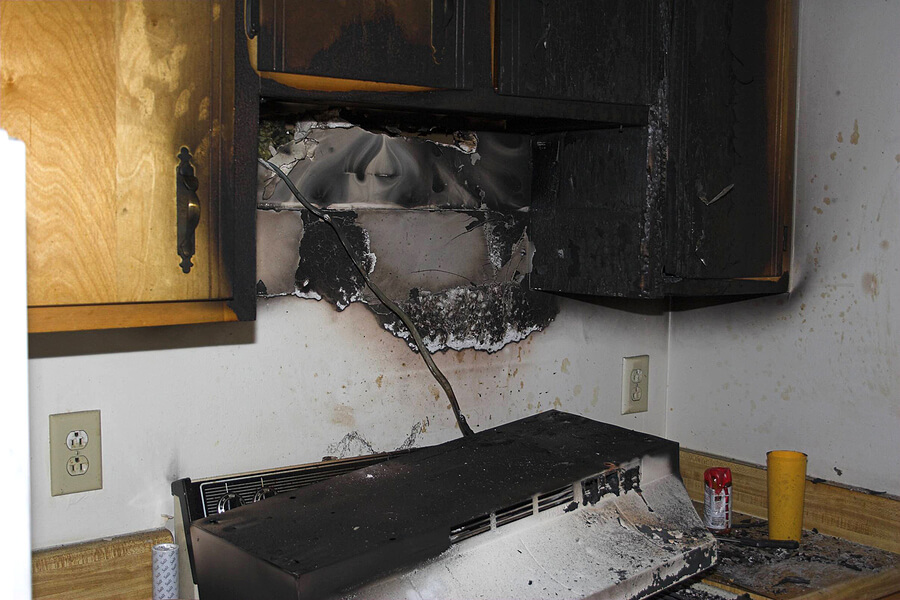
A storm may cause both water intrusion and electrical damage. A kitchen fire may lead to suppression water, soot, and lingering smoke odor all at once. In those situations, fire damage restoration and water damage restoration have to be coordinated carefully. The IICRC also maintains standards for fire and smoke damage restoration and for HVAC assessment after fire, water, or mold damage, which reflects how interconnected these losses can become.
Then there are the more sensitive situations. If a severe event involves contamination that goes beyond ordinary water cleanup, biohazard cleanup may enter the conversation. That is a separate level of care and should never be improvised.
Older buildings deserve special caution as well. Flooding, demolition cuts, and removal of damaged materials can expose hazards that had been undisturbed for years. EPA guidance says asbestos may be found in older homes and buildings, and renovation or damage to materials such as floor tile, ceiling tile, pipe wrap, siding, or shingles can disturb it. If suspect materials are damaged, or if repairs could disturb them, a properly trained and accredited asbestos professional is the right next step.
That is particularly relevant in this region because Central Florida includes counties such as Lake, Orange, Seminole, and Osceola within the Florida DEP Central District asbestos program. The purpose of that program is to minimize the release of asbestos fibers during abatement, remediation, handling, and disposal of asbestos-containing materials. In practical terms, if a flood cleanup in an older property leads to demolition of suspect materials, asbestos abatement Groveland FL property owners may need should be treated as a separate professional task, not an afterthought.
Why certification and standards matter
People do not usually ask about standards when water is pouring across the floor. They ask who can get there fast. That is understandable. Still, once the emergency stabilizes, the quality of the work matters just as much as the speed of arrival.
IICRC-certified remediation means the crew is working from recognized restoration standards rather than guesswork. That does not guarantee perfection, but it does signal that the drying, mold, HVAC, and fire-related work should follow established methods. In a field where the damage is often hidden and the stakes are expensive, process matters.
This becomes even more important when you are trying to decide whether materials can stay or need removal. A rushed or inexperienced assessment can go wrong in both directions. Some contractors remove too much, which drives up repair costs and disruption. Others remove too little, which leaves moisture or contamination in place. The right answer usually sits somewhere in the middle, based on the material, the exposure, and the drying progress.
The HVAC question deserves real attention
When a property floods, people tend to look down at the floor and walls. They do not always think about the air system. Yet HVAC can be one of the biggest factors in whether the indoor environment improves or degrades.
If moisture reaches ductwork or nearby components, or if the system keeps circulating humid air without adequate moisture removal, the building can struggle to dry. Florida health guidance says that if a central HVAC system needs a dehumidifier to get below 60 percent humidity, the air conditioning system should be examined for problems. That is a useful flag. The system may be oversized, underperforming, dirty, or otherwise not controlling humidity well.
And if there is reason to suspect HVAC mold, caution matters. Florida guidance advises consulting EPA guidance before taking further action when HVAC contamination may be involved. That is sensible because indiscriminate cleaning can spread contamination or miss the real source.
Fast drying is often the cheapest path, even when it feels expensive up front
This is the part many homeowners wrestle with. Emergency drying equipment, moisture mapping, repeated monitoring, and selective demolition can feel costly in the moment. But delayed or incomplete drying tends to cost more later.
Here is the trade-off in plain terms. Paying for prompt professional drying may prevent broad demolition, mold remediation, cabinet replacement, flooring replacement, and weeks of odor complaints. Waiting in hopes that things will “air out” can convert a limited event into a deeper restoration project.
That is especially true in Central Florida, where lingering humidity works against passive drying. The climate does not offer much forgiveness.
A practical way to think about the next step
If the flooding was very minor, clearly contained, and fully dried almost immediately, close monitoring may be enough. But if water spread beyond a small area, reached porous materials, affected multiple rooms, or sat long enough to raise concern, it makes sense to treat it seriously from day one.
CDC guidance on storm and mold cleanup consistently emphasizes safe cleanup, drying, and removal of water-damaged items. Florida health guidance keeps bringing the same message back to moisture control. Those ideas line up because they reflect what happens in real buildings. Materials either get dried fast enough to interrupt the damage cycle, or they do not.
That is really what this comes down to. After flooding, fast drying is not a luxury service. It is the turning point that often determines whether the property recovers cleanly or spends months chasing mold, odors, repairs, and recurring complaints.
For homeowners in Lake County and across the rest of Central Florida, that is the lesson worth remembering. Water damage may start with a leak or a storm, but the outcome is shaped by the response. Dry quickly, control humidity, respect https://housecare726.raidersfanteamshop.com/asbestos-survey-before-renovation-a-plain-english-guide-for-groveland-commercial-property-managers hidden moisture, and bring in qualified help when the situation calls for it. Those first decisions usually matter more than anything that comes later.